Hoof Anatomy
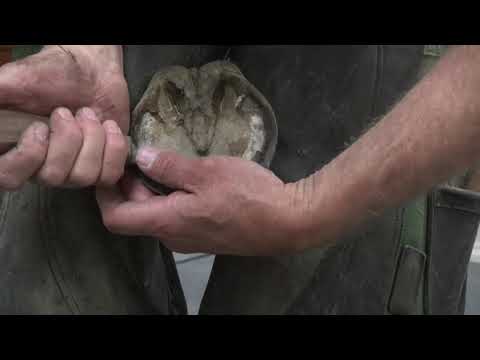
Understanding what's inside the hoof capsule helps you spot problems early and communicate clearly with your farrier. The horse's hoof is a marvel of engineering — designed to absorb shock, pump blood, and bear weight across a wide range of terrain.
Trimming & Shoeing Schedule
The single most common farrier mistake horse owners make is waiting too long between appointments. Hooves grow continuously — neglect creates imbalances that stress tendons, joints, and bones far faster than most people realize.
Most horses need farrier attention every 6 to 8 weeks, year-round — not just in the riding season. Hooves don't stop growing in winter.
| Horse Type | Recommended Interval | Notes |
|---|---|---|
| Barefoot horses on soft ground | 6–8 weeks | May need more frequent attention if hooves chip or flare |
| Barefoot horses on hard/rocky ground | 8–10 weeks | Natural wear may extend interval; monitor closely |
| Shod horses (light work) | 6–8 weeks | Shoes loosen and hoof grows past the shoe edge quickly |
| Shod horses (heavy work) | 5–6 weeks | Performance horses need tighter intervals for balance |
| Young horses (under 2) | 4–6 weeks | Frequent early trims correct developmental problems |
| Senior horses | 6–8 weeks | Older horses often have slower growth but more complex needs |
| Laminitis rehab | 4–6 weeks or more | Work closely with your vet and farrier — case by case |
Barefoot vs. Shod
The barefoot vs. shoes debate is not one-size-fits-all. Complete Barefoot vs. Shod Guide → Horses with naturally hard, well-shaped hooves doing light work on soft ground often do beautifully barefoot. Horses in heavy work, with conformational challenges, or on hard surfaces frequently benefit from shoes. Your farrier's recommendation, backed by observation of your specific horse's hoof quality and work demands, matters more than any general philosophy.
Daily Hoof Care Routine
Daily hoof care takes less than five minutes per horse and prevents the majority of common hoof problems. Make it a non-negotiable part of your handling routine.
Picking Hooves
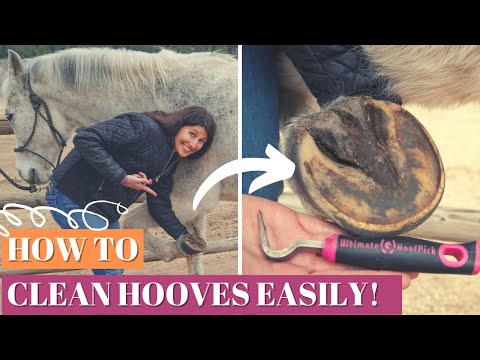
Pick all four hooves every day — before and after riding. Work from heel to toe with a hoof pick, clearing packed dirt, manure, rocks, and debris from the frog and sulci (the grooves alongside the frog). Pay attention to what you're finding: excessive moisture, black discharge, or a foul smell signals thrush.
What to Look For Every Day
- Heat: Localized heat in a hoof compared to the others often signals inflammation, an abscess brewing, or early laminitis.
- Pulse: An abnormally strong digital pulse (felt at the back of the fetlock) accompanies many hoof problems, especially laminitis.
- Cracks: Small superficial cracks are common; cracks that extend upward toward the coronary band or are deep enough to flex need farrier attention.
- Loose or thrown shoes: A partially loose shoe is a lameness emergency — it can torque the hoof and drive nails into sensitive tissue. Call your farrier same day.
- Discharge or odor: Black, foul-smelling material from the frog area is thrush. White, chalky material along the white line may indicate white line disease.
Hoof Conditioners and Dressings
Use conditioners sparingly and strategically. A horse in a consistently dry environment may benefit from a water-based conditioner applied to the coronary band and hoof wall. A horse in consistently wet conditions generally needs no conditioner — and heavy dressings can actually trap moisture and soften the hoof wall excessively. When in doubt, ask your farrier for a product recommendation specific to your horse's hoof condition and environment.
The coronary band is where new hoof grows. Gentle daily massage of the coronary band with your fingers or a conditioning product promotes circulation and healthy hoof growth.
Warning Signs to Watch For
Caught early, most hoof problems are manageable. Caught late, many become career-ending or life-threatening. Know these warning signs and act quickly.
Sudden severe lameness, suspected laminitis, or puncture wounds to the hoof require a veterinarian first. For most other hoof issues — loose shoes, cracks, thrush, white line disease — your farrier is the first call. When in doubt, call both and let them coordinate.
Working With Your Farrier
A good farrier relationship is built on communication, consistency, and mutual respect. Here's how to make the most of every visit.
Before the Appointment
- Have your horse caught, haltered, and in a clean, dry, well-lit area with level footing.
- Pick hooves out before the farrier arrives — it's a basic courtesy and saves time.
- Note any changes in soundness, footing, or work intensity since the last visit.
- Have clean water and a safe tie spot ready. A distracted or poorly tied horse is a safety hazard.
During the Appointment
- Stay present but don't hover. Your farrier needs to concentrate.
- Keep dogs, children, and other horses out of the work area.
- Ask questions between hooves, not mid-nail. Respect the work.
- If your horse is difficult to handle, tell your farrier in advance — never surprise them.
What to Tell Your Farrier
- Changes in work level or discipline (starting jumping, transitioning to trail work, etc.)
- Any lameness or stiffness you've noticed
- Changes in diet or supplements that might affect hoof quality
- Footing changes at your facility (new gravel, wetter paddocks, etc.)
Look for certification through the American Farrier's Association (AFA) or the Guild of Professional Farriers. Ask your veterinarian for referrals — vets work with many farriers and know whose work holds up. A farrier who communicates clearly, shows up on schedule, and coordinates with your vet is worth keeping. See our complete guide: How to Find a Good Farrier →
Watch & Learn
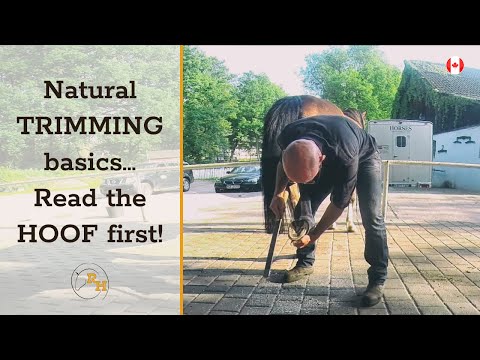
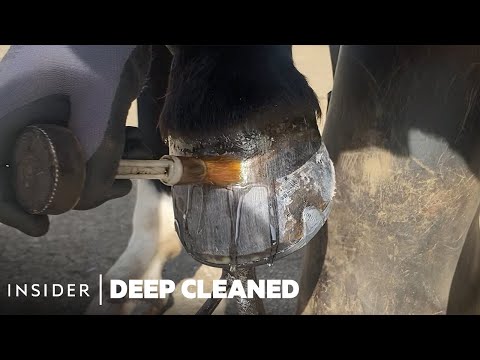
Four hand-picked videos — tap any thumbnail to play.