What Is Canker?
A disease of tissue overgrowth — the opposite of what thrush does.
🔬 Proliferative Pododermatitis — Tissue That Grows Where It Shouldn't
Canker — known medically as equine proliferative (or hypertrophic) pododermatitis — is a chronic disorder in which the tissues of the hoof, usually starting at or around the frog, grow abnormally instead of forming normal horn. The result is a moist, spongy, off-white or gray mass with a ragged, cauliflower-like appearance that bleeds easily when touched or trimmed. It often carries a foul odor and a cottage-cheese-like discharge, which is exactly why it gets confused with thrush.
The crucial distinction: thrush destroys tissue; canker produces too much of it. Thrush is a bacterial infection that eats away at the frog, leaving a black, foul-smelling discharge and deteriorating tissue. Canker does the reverse — it replaces normal horn with abnormal frondlike, proliferating tissue. Because the two look superficially similar in early stages and both can smell bad, many owners assume thrush and treat for it, which has no effect on canker and allows it to advance.
The exact cause is still not definitively proven. Researchers suspect a bacterial or viral component — spirochete bacteria (especially Treponema species) and bovine papillomavirus have been found in canker tissue — and warm, moist, unsanitary conditions are commonly associated. Confusingly, canker can also appear in dry environments and in well-cared-for horses, so good hoof care does not guarantee immunity. It is seen more often in draft breeds and in stalled horses with little exercise, and it can affect one foot or several.
Reading the Stage — Early Lesion to Advanced Disease
Canker is far easier to treat caught early than once it has taken hold. Knowing what each stage looks like helps you act before it spreads into deeper structures.
📏 Canker by Stage — Appearance and What to Do
Stage 1
A small area of pale, soft, slightly raised tissue near the base or edge of the frog, sometimes with a faint odor. Easily mistaken for early thrush. This is the stage with the best prognosis — caught here, treatment is far simpler and more likely to fully resolve. Any abnormal frog tissue that doesn't respond to routine thrush care warrants a closer look.
Stage 2
Characteristic spongy, white-to-gray, cauliflower-like or frondlike growth around the frog, with foul odor and a cheesy discharge. The tissue bleeds readily when disturbed. At this point the disease is recognizable and clearly not thrush — veterinary diagnosis and a treatment plan combining the vet and farrier are needed.
Stage 3
The proliferative tissue spreads beyond the frog into the bars, sole, and heel bulbs. The horse may become lame walking on the painful lesions and may show an increased digital pulse. Treatment now usually requires surgical debridement plus prolonged follow-up care. Multiple feet may be involved.
Stage 4
Left untreated, canker can involve and compromise the underlying structures of the foot, threatening long-term soundness. Imaging (radiographs, CT, or MRI) may be needed to assess the extent. This is advanced disease requiring aggressive, coordinated veterinary and farrier management with a more guarded outcome.
What Causes & Contributes to Canker
The exact trigger remains unproven, but several factors are consistently associated with the disease.
Suspected Infectious Agents
The cause hasn't been definitively confirmed, but infection is strongly suspected. Spirochete bacteria — particularly Treponema species — and bovine papillomavirus have been identified in canker tissue. The disease is thought to involve an anaerobic infection that spreads within the tissue rather than simply destroying it.
Warm, Moist, Unsanitary Conditions
Canker is classically associated with horses kept in persistently wet, dirty, or muddy housing. Warm and humid climates appear to raise prevalence. That said, the link isn't absolute — canker also turns up in dry environments, so moisture is a contributor rather than a guaranteed cause.
Draft Breeds & Heavy Horses
Canker occurs more frequently in draft breeds. Their large feet, feathering, and the husbandry typical of heavy horses may all play a role, though canker can affect any breed, any age, from foals to seniors.
Stalling & Lack of Exercise
The disease is seen more often in stalled horses with little exercise. Reduced movement means less natural frog stimulation and circulation, and standing in a confined space increases contact with moisture and waste against the foot.
Poor or Infrequent Hoof Care
Infrequent hoof care and poor hoof conformation are associated with higher risk, since debris and moisture sit against the frog longer. But canker is not purely a hygiene disease — it can develop in horses with excellent, regular farrier care, which is part of what makes it so confusing.
The Honest Answer: Not Fully Known
It's worth being clear: veterinary science has not isolated a single definitive cause for canker. The picture is most likely a combination of an infectious agent and contributing environmental and management factors. This uncertainty is why early diagnosis and a professional treatment plan matter so much.
⚡ Quick Reference — Canker at a Glance
Treatment — Three Roles, Three Approaches
Unlike most hoof issues, canker is not an owner-managed condition. The veterinarian and farrier lead diagnosis and treatment; the owner's job is early recognition and the meticulous daily aftercare that makes or breaks the outcome.
The Veterinarian's Role — Diagnose Correctly, Then Remove the Disease
The vet's first and most important job is to confirm that this is canker and not thrush, granulation tissue, or another lesion — because the treatments are completely different. From there, the vet leads removal of the affected tissue and the medical plan.
Many cases are diagnosed on the characteristic appearance and location alone — pale, proliferative, cauliflower-like frog tissue that bleeds easily. When confirmation is needed, a biopsy with histological examination is definitive. For large or chronic lesions, the vet may add imaging — radiographs, CT, or MRI — to judge how far the disease extends and whether underlying structures are involved.
For suitable cases, a minimally invasive option is soaking the foot in a chlorine dioxide solution in a closed-bag system — roughly 45 minutes per session, repeated every 24–48 hours over several treatments. This approach is often quite successful and avoids surgery. Topical medications combining drying and antibacterial agents — commonly metronidazole, benzoyl peroxide, and acetone — are mainstays of the medical side.
For more established disease, the affected tissue is surgically removed. This can often be done in a sedated, standing horse with regional nerve blocks (perineural analgesia); general anesthesia is reserved for difficult temperaments or severe cases. The goal is to remove all the diseased tissue without disrupting the germinal (regenerative) layer of the epidermis underneath — it is precise work with hoof knives and scalpels, not simply cutting the growth off. Liquid nitrogen (freezing) of the remaining layer may be used as well.
Treating canker as thrush has no effect and lets it progress. Mistaking it for thrush is the most common reason cases reach the advanced, harder-to-treat stage. Persistent abnormal frog tissue is not something to keep treating casually at home — it needs a professional diagnosis.
The Farrier's Role — Expose, Support & Maintain the Foot
Canker treatment is a genuine partnership between vet and farrier. The farrier helps expose the lesion, keeps the foot trimmed and balanced, and builds the protective setups that hold medication in place and keep air on the tissue between treatments.
Treatment typically begins with careful trimming of the hoof so the full extent of the affected tissue can be seen and reached. This is done conservatively and in coordination with the vet — the aim is access and exposure, not aggressive removal, which is the vet's surgical job.
After debridement, the foot often needs a way to keep medication packed against the treated area while still allowing it to stay clean and dry. Farriers build hospital-plate or treatment-plate shoeing setups and packing arrangements that protect the site, hold topicals in place, and let the owner change dressings between visits.
Canker recovery is rarely quick. Regular farrier visits keep the foot balanced and comfortable, allow reassessment of the treated tissue at each cycle, and catch any regrowth early. Consistent, coordinated farrier care over weeks to months is part of why some cases succeed and others relapse.
The best outcomes consistently come from a coordinated plan between the veterinarian and farrier rather than either working alone. Canker rewards teamwork, patience, and meticulous follow-through.
The Owner's Role — Catch It Early, Then Be Relentless About Aftercare
You won't treat canker yourself, but you have the two jobs that most determine the outcome: spotting it early enough to matter, and carrying out the daily aftercare exactly as prescribed for as long as it takes.
Pick and inspect feet regularly. If you see pale, spongy, frond-like or cauliflower-like tissue, tissue that bleeds easily when cleaned, or a frog problem that simply won't respond to normal thrush care and keeps coming back — stop treating for thrush and call your vet. Early recognition is the single biggest factor in a good outcome.
Also call for help quickly if the horse becomes lame, develops a stronger digital pulse, has more than one foot affected, or the lesion is spreading into the sole, bars, heel bulbs, or hoof wall. The sooner the professionals are involved, the simpler the treatment is likely to be.
Canker aftercare is demanding and long. You may be:
- Performing daily chlorine-dioxide soaks or applying prescribed topicals.
- Changing dressings and repacking treatment plates on schedule.
- Keeping the foot scrupulously clean and dry.
- Moving the horse to clean, dry footing and increasing turnout/exercise as advised.
Consistency here is everything — skipped treatments are a leading reason canker recurs.
Reducing the Risk & Preventing Recurrence
Because the exact cause isn't proven, there is no guaranteed prevention — but the same management that supports overall hoof health lowers risk and is essential to stopping canker from returning after treatment.
Clean, Dry Housing
Keep stalls and paddocks clean, dry, and well-bedded. Since warm, moist, unsanitary conditions are associated with canker, reducing how long manure, urine, and moisture sit against the foot is a sensible, low-cost defense — and critical during recovery.
Daily Hoof Picking & Inspection
Pick out feet daily and actually look at the frog. Daily inspection is how early canker gets caught while it's small and most treatable — and how you'll spot any regrowth quickly after treatment.
Regular Farrier Care
Consistent trimming keeps the frog and sole healthy and gives a trained eye a regular look at the feet. While canker can occur even with excellent care, neglected feet and poor conformation are associated with higher risk.
Turnout & Movement
Canker is seen more in stalled horses with little exercise. Regular turnout and movement promote circulation and natural frog function and reduce continuous contact with a soiled standing surface.
Finish the Full Treatment Course
The biggest "prevention" after a canker diagnosis is preventing recurrence — and that means completing the entire prescribed treatment and aftercare, not stopping when it looks better. Incomplete treatment is a common path to relapse.
Don't Assume "Just Thrush"
The most valuable preventive habit of all: when a frog problem doesn't behave like ordinary thrush, take it seriously. Persistent or proliferating tissue earns a vet call rather than another week of thrush treatment.
Canker Videos — Watch & Learn
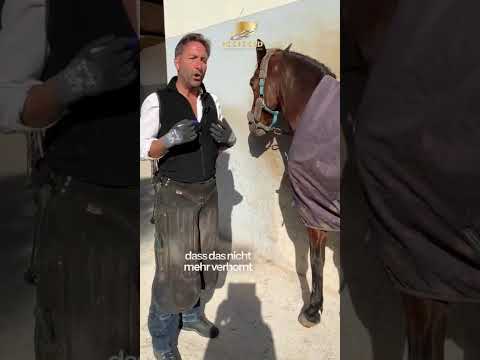
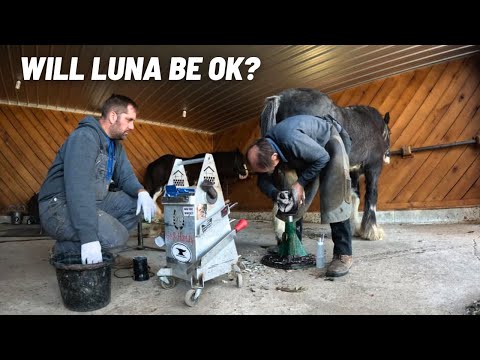
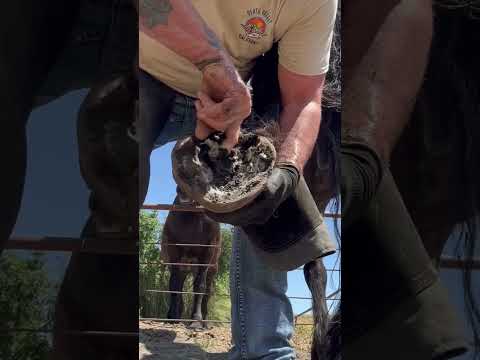
See how vets and farriers explain canker, distinguish it from thrush, and work through real treatment and rehabilitation cases.