What Are Scratches?
Why the back of the pastern is so vulnerable, and what is actually going wrong in the skin.
🔬 The Pastern — A Moisture Trap by Design
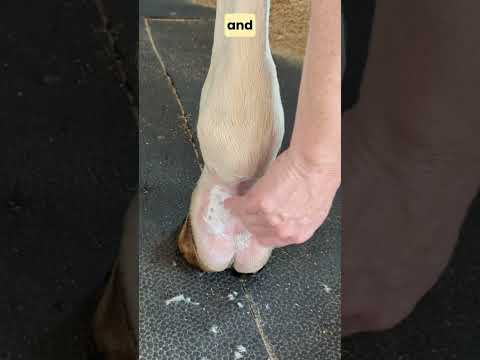
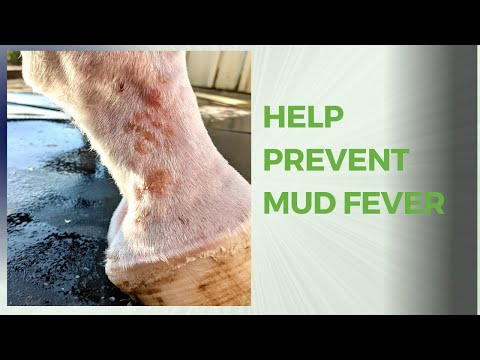
Scratches is the common name for equine pastern dermatitis (EPD) — inflammation of the skin on the back of the pastern, between the heel bulbs and the fetlock. Veterinarians stress that it is not one disease but a cutaneous reaction pattern: many different triggers produce the same scabby, crusty, inflamed result. Other names you will hear are mud fever, greasy heel, dew poisoning, mud rash, and cracked heels.
The pastern is uniquely exposed. It is the lowest soft-skinned part of the leg, constantly in contact with mud, wet bedding, urine-soaked shavings, manure, dew, and debris. The natural cupped shape behind the heel holds moisture and irritants against the skin far longer than elsewhere on the body. Repeated wetting and drying weakens the skin's protective barrier, opening microscopic cracks through which bacteria and fungi invade.
The most common organisms involved are the bacteria Dermatophilus congolensis and Staphylococcus species, but fungi and — particularly in heavy-feathered draft breeds — Chorioptes mites can drive the inflammation too. Because the cause varies so much, the same-looking case can need very different treatment, which is why accurate diagnosis matters.
Reading the Stage — From Early Redness to Chronic
Scratches progresses through recognizable stages. Knowing which stage you are looking at tells you whether you can manage it yourself or need the vet now.
📏 Scratches by Stage — What Each Looks Like and What to Do
Stage 1
Patchy reddened skin (erythema), mild scaling or flaking, and sometimes a small amount of clear-to-yellow serum on the back of the pastern. No thick scabs yet. This is the easiest stage to resolve — get the leg clean and dry and most cases turn around quickly. Catching it here prevents almost all the difficult outcomes.
Stage 2
Hair becomes matted and greasy, classic crusty scabs form, and the skin oozes serum. The horse may be tender to the touch. Manageable at home for most owners: gentle clipping, careful cleaning, soften-and-remove scabs (never pick), keep dry, apply a vet-appropriate topical. If it isn't improving within 7–10 days, escalate to the vet.
Stage 3
The skin thickens, deep painful cracks (fissures) appear, scabs are widespread, and secondary bacterial infection is established. Swelling of the pastern or lower leg may begin. This stage needs veterinary involvement — cultures, prescription topical or systemic medication, and a treatment plan. Home care alone usually stalls here.
Stage 4
Lesions spread up toward the cannon bone, the leg is hot and swollen (possible cellulitis), thick proliferative "grapes" of tissue may form in chronic feathered cases, and the horse is lame. This is an urgent veterinary situation. Underlying drivers (mites, vasculitis, photosensitization, immune dysfunction) must be identified or the condition will not resolve.
What Causes Scratches
Repeated Wetting & Drying (The Big One)
The single most common driver. Standing in mud, wet pastures, soiled bedding, or frequent hosing repeatedly soaks and dries the skin, weakening its protective barrier. Tiny abrasions form in waterlogged skin, giving bacteria and fungi an entry point. Most cases trace back to a persistently wet, dirty lower leg.
Bacterial Infection
Once the skin barrier is breached, Dermatophilus congolensis and Staphylococcus species are the usual invaders, producing the classic crusting, oozing pastern folliculitis. Secondary staph infection is common on top of any other cause and complicates both diagnosis and healing.
Fungal Involvement
Dermatophyte (ringworm) fungi can trigger or worsen scratches, especially in damp conditions. Fungal cases may itch and can be contagious between horses sharing equipment or living together — a reason to disinfect grooming tools and avoid sharing wraps and boots.
Chorioptic Mange (Leg Mites)
In draft breeds and heavily feathered horses, Chorioptes mites are a frequent and often-missed cause. They produce intensely itchy dermatitis on the lower legs; the horse stamps and rubs, breaking the skin further. Asymptomatic carriers in a barn keep reinfecting others, so mites must be ruled out in stubborn feathered cases.
White Legs & Sun (Photosensitization / PLV)
Horses with white or pink-skinned legs are markedly more prone to pastern dermatitis. Unpigmented skin is vulnerable to UV damage, and some develop immune-mediated pastern leukocytoclastic vasculitis (PLV), which is worsened by sunlight. These cases often need UV protection and a different treatment approach than mud-driven scratches.
Feathering, Allergies & Irritants
Long pastern hair ("feathers") traps moisture and debris against the skin. Contact irritants — harsh fly sprays, aromatic or chemically treated bedding, and allergens in pasture plants — can also spark the reaction. Identifying and removing the specific irritant is part of resolving recurrent cases.
⚡ Quick Reference — Scratches at a Glance
Treatment — Three Roles, Three Approaches
Scratches care has two simultaneous goals: heal the skin that's damaged now, and remove the cause so it doesn't come back. The owner does most of the daily work; the vet diagnoses the underlying driver in stubborn cases; the farrier keeps the foot and lower leg in good order during recovery.
The Owner's Role — Daily Care Wins or Loses This Fight
For mild and early scratches, attentive daily home care resolves most cases. The whole strategy comes down to two things: get the skin clean and let it stay genuinely dry. Everything below serves those two goals — gently.
This is step one and it is non-negotiable — no topical works while the leg stays wet and muddy. Move the horse to a clean, dry, well-bedded stall or a dry lot. Don't turn out onto dewy grass until the dew has burned off, and keep the horse off muddy paddocks until the skin heals. Without breaking the moisture cycle, nothing else will hold.
Gently clip the long hair over the affected pastern. This exposes the skin to air, makes cleaning and medicating far more effective, and removes the moisture-trapping feathers. Take care not to nick the inflamed skin — broken skin spreads infection. If the horse is fidgety or the area is very sore, wait and have the vet or a calm helper assist.
Do a single thorough but gentle wash with a mild antibacterial cleanser such as a dilute chlorhexidine or Betadine scrub. Remove dirt without scrubbing raw skin. Then stop — repeated daily harsh washing adds the very moisture and irritation that caused the problem. Lightly towel dry, and make sure the area is completely dry before the horse goes back out.
Scabs trap infection underneath, but ripping them off is painful and tears the skin open. Soften them instead: a warm compress or a softening ointment lets them release on their own over a day or two. Remember the rule — don't scratch scratches. Picking scabs is the most common mistake owners make and it sets healing back every time.
Once clean and dry, apply the topical your vet recommends for the suspected cause (antibacterial, antifungal, or combination). For horses that must face wet conditions, a light barrier such as a thin film of petroleum jelly or a dedicated barrier cream over healed/healing skin helps keep moisture out. Avoid harsh home remedies:
- No diluted bleach — it damages skin of any species.
- No repeated harsh disinfectants or caustic "burn it off" products.
- No daily soaking; moisture is the enemy here.
The leg becomes hot, swollen, or painful; the horse goes lame; lesions spread up the leg; or the case isn't improving within about 7–10 days of good home care. Hot, swollen, lame legs can signal cellulitis and need prompt veterinary attention.
The Veterinarian's Role — Find the Real Driver
Because scratches is a reaction pattern with many possible causes, the vet's job in stubborn or severe cases is to identify the primary, predisposing, and perpetuating factors — and treat all of them. Treating only the surface infection while ignoring mites, sun sensitivity, or an immune cause leads straight back to recurrence.
The vet works through age, month of onset, whether it's seasonal or itchy, which legs are involved, the horse's environment and bedding, and what treatments or home remedies have already been tried. If other horses or people in contact are also affected, that points toward an infectious or zoonotic cause such as ringworm.
Depending on the picture, the vet may run:
- Skin scrapings to look for Chorioptes mites.
- Cytology and bacterial/fungal culture to identify organisms and guide medication choice.
- Tape impressions for surface organisms.
- A full-thickness skin biopsy in non-responsive cases to examine the skin's structure.
- Bloodwork to rule out underlying metabolic, liver, or immune problems in chronic or photosensitization cases.
Treatment is matched to the cause and may include topical or systemic antibiotics, antifungals, anti-parasitic treatment for mites, and anti-inflammatories or corticosteroids (such as dexamethasone) to control inflammation and itching. Severe cases may need systemic medication and pain relief. The aim is to stop the skin damage and infection so the natural skin barrier can rebuild.
Owners can manage early, mild scratches well. But a case that won't clear, keeps returning, or is severe almost always has a driver you can't see — mites, a fungal element, sun-driven vasculitis, or an immune cause. Diagnostics turn a frustrating guessing game into a targeted plan.
The Farrier's Role — Support Recovery, Don't Aggravate It
Scratches is a skin condition, not a hoof condition, so the farrier isn't the lead — but a good farrier supports healing by keeping the lower limb clean and dry-friendly and by being gentle around inflamed, painful pasterns.
A horse with painful pasterns may resent having the leg held in working position. Communicate with your farrier so they handle the limb patiently and avoid pressing on or knocking the lesions. Rushing a sore-legged horse risks tearing scabs and worsening the infection.
Regular, balanced trimming keeps the horse comfortable and moving normally during recovery, and reduces the chance of secondary problems while the horse is being managed in a dry environment. A healthy, well-maintained foot supports overall lower-limb health.
The farrier sees the lower limbs every cycle and can flag early redness or scaling before it becomes a full case. In wet seasons, your farrier and vet can align on clipping feathers and keeping the pastern area clean and dry between visits.
Preventing Scratches — Stop the Cycle Before It Starts
Scratches is far easier to prevent than to cure, and for prone horses prevention is an ongoing routine rather than a one-time fix. Almost all of it comes down to keeping the lower legs clean and genuinely dry.
Dry, Clean Footing
Provide clean, dry, well-bedded stalls during wet weather and avoid leaving prone horses standing in mud or soaked paddocks. Good stable hygiene is the foundation — most scratches begins with a leg that simply never gets to dry out.
Mind the Morning Dew
Don't turn susceptible horses out onto wet, dewy grass first thing. Wait until the dew has dried. "Dew poisoning" earned its name honestly — that early-morning wet grass is a classic trigger.
Clip Feathers on Prone Horses
For draft breeds and feathered legs, keeping the pastern hair clipped reduces moisture and debris trapped against the skin and makes early problems easy to spot and clean. It also makes mite infestations easier to detect and treat.
Clean & Dry After Work
Wipe or gently clean muddy lower legs after exercise and — crucially — dry them thoroughly afterward. Avoid routinely hosing the pasterns unless there's a reason, and never leave them damp. Don't share grooming tools, wraps, or boots between horses if infection might be present.
Protect White Legs from Sun
For horses with white or pink-skinned legs prone to photosensitivity or PLV, limit UV exposure — stable during the strongest midday hours or use light protective leg coverings — to prevent sun-driven flare-ups.
Barrier Cream Before Wet Exposure
When a prone horse must go into wet conditions, a light barrier such as petroleum jelly applied to clean, healthy pastern skin beforehand helps repel moisture. Avoid trapping existing infection under heavy products — barriers are for prevention on intact skin, not for sealing over active lesions.
Scratches Videos — Watch & Learn
See how veterinarians and professional grooms explain, clean, treat, and prevent scratches and mud fever on the lower legs.