What Are Thin Soles?
The anatomy of the horse's sole and why depth matters so much.
🔬 The Sole — Your Horse's Primary Ground Shield
The sole is the bottom of the hoof — the curved, concave plate of horn that spans the ground surface between the hoof wall and the frog. A correctly conformed sole is concave (dished inward) and thick enough to protect the sensitive corium, coffin bone, and digital cushion from ground contact and impact. In a horse with adequate sole depth, the coffin bone floats above the ground surface with a protective layer of horn between it and the earth. In a thin-soled horse, that protective layer is reduced — sometimes to just a few millimeters.
Sole depth is measured from the ground surface of the sole to the outer surface of the coffin bone beneath it. Adequate sole depth is generally considered 15mm (about 5/8 inch) or more. Many performance horses, particularly Thoroughbreds and horses with flat or low-set coffin bones, have sole depths of 8–12mm — enough to manage on soft surfaces but insufficient for rocky, hard, or varied terrain. Sole depth under 10mm predisposes horses to bruising from virtually any firm surface impact.
The sole is not the same as the white line, and it is not the frog. It is the broad, curved plate of non-sensitive horn that a farrier should never aggressively pare — every millimeter removed is a millimeter of protection lost.
Sole Depth — What the Numbers Mean
Sole depth can be estimated by the farrier with hoof testers or measured precisely by the vet using radiographs. Here is what each range means for your horse's management.
📏 Sole Depth Categories — Measured from Ground Surface to Coffin Bone
< 8mm
At this depth, even moderate ground irregularities can cause coffin bone bruising. The horse is likely foot-sore on any firm surface, may show a consistently positive sole pressure response to hoof testers, and is at high risk of subsolar abscesses. Full pads with pour-in packing are required immediately. Radiographs essential. Ride only on soft, even footing if at all.
8–14mm
The most common range for flat-footed performance horses. Manageable on arena sand and grass but problematic on gravel, road, or rocky trail. Bruising risk is significant on hard footing. Full pads, wide-web shoes, and pour-in packing provide important protection. The goal of management is building toward adequate depth through correct farrier care and nutrition.
15–20mm
Most horses with good-quality soles and correct trimming fall in this range. Comfortable on most terrain types. Some protection still appreciated on very rocky footing or road work. Standard shoeing appropriate. Continue the management practices that have maintained this depth.
> 20mm
Thick, well-developed soles seen in horses with optimal genetics, nutrition, and farrier care. Comfortable on most terrain without pads. Characteristic of horses that have never had their soles aggressively pared, have had consistent nutrition, and have developed sole naturally over time. The target for any thin-soled horse rehabilitation program.
🔍 How to Identify Thin Soles at Home
Signs that suggest thin or inadequate sole depth:
- Footiness on gravel or hard ground — the horse picks its way carefully, shortens stride, or appears sore on rocky or firm terrain but moves freely on soft surfaces
- Flat or convex sole — a healthy sole is concave (dished). A flat or "dropped" sole that bulges downward indicates the coffin bone is close to the ground surface
- Positive sole pressure response — when thumb pressure or hoof testers are applied to the center of the sole, the horse flinches; sensitive soles react quickly and clearly
- Frequent subsolar bruises — red or purple discoloration visible in the sole when the foot is cleaned, indicating hemorrhage from stone impacts
- Recurrent abscesses in the same location — thin soles allow stone bruises to progress to abscesses repeatedly
- Radiographic confirmation — the most accurate assessment; your vet can measure sole depth precisely from lateral foot X-rays
🐎 Breeds Most Commonly Affected
Thin soles are significantly more common in certain breeds and types:
- Thoroughbreds — the breed most associated with thin soles; flat, low-profile feet with limited sole depth are nearly universal in racing stock and common in sport horse crosses
- Warmbloods with Thoroughbred influence — sport horse crosses inherit TBflatness frequently
- Standardbreds — similar flat foot tendency to Thoroughbreds
- Hot-blooded horses generally — Arabian-type hoof conformation sometimes features flatter, less concave soles than cold-blooded or draft types
- Any horse post-laminitis — coffin bone rotation reduces the distance between bone and ground; chronic laminitic horses frequently develop flat or even convex soles as the bone presses downward
Draft horses, mountain breeds (Haflingers, Fjords, Icelandics), and Quarter Horses with stocky foot conformation typically have excellent natural sole depth by comparison.
⚠️ The Flat Foot Distinction
Flat feet and thin soles are related but not identical. A flat foot describes a hoof with reduced concavity — the sole is close to the level of the hoof wall rather than dished inward. A thin sole describes inadequate sole depth regardless of concavity. A horse can have a flat foot with reasonable sole depth, or a horse can have some concavity but still have thin soles. In practice, the two commonly co-exist — flat-footed horses tend toward thin soles — but they require separate assessment. Sole depth from the ground surface to the coffin bone is the measurement that matters for protection; the visual appearance of flatness alone does not determine sensitivity.
What Causes Thin Soles
Genetics and Breed Conformation
The single largest factor. Thoroughbreds were selectively bred for speed — light, flat feet reduce weight and increase stride efficiency. The trade-off is reduced sole depth and sensitivity on anything other than groomed turf. A horse inherits its basic foot shape and sole-producing potential from its parents. No amount of management fully overcomes extreme genetic flatness, though it can be meaningfully improved.
Over-Paring by the Farrier
The most correctable cause. Farriers who aggressively pare the sole at each visit to "clean it up" or check for sole depth remove horn that took weeks to grow. The sole grows slowly — approximately 1–2mm per month. A farrier who removes 3–4mm of sole per visit is perpetually thinner than the horse's biology can replace. The correct approach for thin-soled horses: leave the sole entirely alone, removing only exfoliating flakes.
Previous or Chronic Laminitis
Laminitis causes the coffin bone to rotate downward toward the sole. As the bone tip approaches the ground surface, the sole between bone and ground is compressed and the distance shrinks. Chronic laminitic horses frequently develop flat or convex soles (dropped soles) as the coffin bone presses against the inner sole surface. This is among the most difficult thin-sole situations to manage because the structural geometry of the foot has changed.
Poor Nutrition
Sole horn quality and thickness depend on the same nutritional building blocks as hoof wall — biotin, zinc, copper, methionine, and essential fatty acids. Horses on deficient diets (hay-only without mineral supplementation, or with mineral imbalances) produce thinner, softer, lower-quality sole horn that wears and bruises more easily. Nutritional improvement is slow but measurable over 9–12 months.
Chronic Wet Conditions
Sole horn that is continuously wet becomes soft and loses structural integrity. Horses standing in wet paddocks, muddy stalls, or boggy pastures develop sole horn that compresses easily under load — effectively functioning as if it were thinner than its actual measurement, because soft horn provides less protection than firm, dry horn of the same thickness.
High Mileage on Abrasive Surfaces
Horses worked extensively on abrasive footing — hard packed arenas, roads, rocky trails — wear the sole faster than it can regenerate, particularly if baseline sole depth is already limited. Trail horses and horses in consistent road work on thin soles need proactive protection — pads, boots, or pour-in packing — to prevent the sole from being worn thinner than the horse's biology can maintain.
⚡ Quick Reference — Thin Soles at a Glance
Treatment — Three Roles, Three Approaches
Thin sole management has two simultaneous goals: immediate protection from bruising and pain, and long-term building of sole depth. The farrier leads both. The vet provides the diagnostic baseline. The owner manages footing and nutrition daily.
The Farrier's Role — Protection First, Then Sole Development
For a thin-soled horse, the farrier's two mandates are: protect what's there right now, and stop doing anything that prevents more from growing. Both of these — protection and non-interference — are equally important. A farrier who provides excellent pads but continues to aggressively pare the sole defeats half the purpose.
This is the single most impactful farrier change for a thin-soled horse. The sole should not be pared at all in horses with inadequate sole depth. Only exfoliating material — dead, flaky horn that comes away with minimal pressure — should be removed. The firm, waxy sole that resists the knife should be left completely untouched. This is a significant change of practice for many farriers trained to "clean up" the sole at each visit. For thin-soled horses, the benefit of leaving that horn in place dramatically outweighs any cosmetic or diagnostic value of paring. Communicate this specifically to your farrier: "I would like you to leave as much sole as possible."
A wider-than-standard shoe provides a broader bearing surface, distributing the horse's weight over more of the hoof and reducing peak pressure on any single point of the thin sole. For thin-soled horses on any firm footing:
- A wide-web steel or aluminum shoe (broader than standard) reduces the open area through which ground objects can contact the sole
- The shoe is fitted to cover as much of the white line as possible without interfering with sole function
- A rolled or rockered toe reduces breakover effort and the loading stress on the toe area of the sole
- Bar shoes (egg bar or straight bar) close off the heel area and reduce the gap through which stones can press against the sole at the back of the foot
A full pad placed between the shoe and hoof covers the entire solar surface, physically blocking ground contact from any object that would otherwise contact the sole. This is the fastest way to provide protection:
- Leather pads — traditional choice; conforms to the sole shape, breathes, allows some natural moisture exchange; long used by Thoroughbred horsemen
- Plastic pads (polyurethane) — more durable than leather; good protection on hard, rocky footing; doesn't breathe as well
- Foam or EVA pads — provides cushioning in addition to protection; good for horses with sensitivity to vibration on hard surfaces
- All full pads must be used with packing material to fill the solar void — a pad applied over an empty sole space creates a pocket where debris packs in and moisture accumulates
Pour-in polyurethane packing material (Vettec Equi-Pak, Mustad 3D Hoof Cushion, or similar) is injected into the solar space between the pad (or directly under a shoe) while still liquid, then sets to a firm, conforming cushion within minutes. This provides:
- Complete, seamless coverage of the entire solar surface — no voids where debris can pack
- A cushioned, energy-absorbing layer between the sole and ground that actively reduces impact forces
- Support for the sole itself — the cured packing material presses gently upward against the sole, providing frog and sole support that encourages natural sole development over time
- A sealed environment under the shoe that significantly reduces the risk of debris-related abscesses
Venice turpentine (gum turpentine) applied to the sole and white line has been used by farriers for generations to harden sole horn, stimulate sole production, and create an inhospitable environment for bacteria under pads. Applied warm at shoeing time to the cleaned sole surface before packing, it penetrates the horn tubules and promotes the dense, firm sole growth that provides real protection. It is also mildly antifungal — important when pads create a less-ventilated environment. Many experienced farriers with thin-soled horses apply Venice turpentine at every shoeing as a matter of routine.
Between shoeings, the farrier may recommend regular application of a sole hardener to encourage denser horn production and reduce sensitivity:
- Keratex Hoof Hardener — applied to the sole (not just the wall); cross-links keratin proteins in the horn tubules, producing firmer, less compressible sole horn
- Venice turpentine (owner-applied) — painted on the sole surface 2–3 times per week between shoeings; available at most farm supply stores
- Thrush treatments on the sole — copper sulfate or dilute iodine applied to the sole surface also has a mild hardening effect while protecting against bacterial invasion through thin horn
Pour-In Packing (Vettec Equi-Pak / Mustad 3D)
Liquid polyurethane injected into the solar space and cured in place. Provides conforming cushion and support across the entire sole. Gold standard protection for thin-soled performance horses. Applied at shoeing; lasts the full shoeing cycle.
Venice Turpentine
Traditional sole hardener and conditioner. Applied warm to the solar surface before packing. Penetrates horn tubules, stimulates denser sole growth, provides mild antifungal protection under pads. Standard practice for thin-soled horses among experienced farriers.
Full Leather or Polyurethane Pad
Placed between shoe and hoof, covering the solar surface. Physically blocks ground contact with the sole. Used with packing material to fill the void. Leather conforms well and breathes; polyurethane is more durable on hard abrasive surfaces.
Wide-Web Shoe (Steel or Aluminum)
Broader-than-standard shoe that covers more of the white line and reduces the open solar area through which ground objects can contact the sole. Combined with pads and packing for maximum protection in thin-soled horses.
If your horse has thin soles, tell every farrier who works on them: do not pare the sole. This applies to temporary farriers, emergency farriers, and anyone who shoes your horse when your regular farrier is unavailable. The sole grows at approximately 1–2mm per month. A single aggressive paring session can remove 6–9 months of growth. Make it a standing instruction, written down if necessary. Some farriers will resist — a thin sole looks "untidy" and "needs cleaning up." Hold firm. The sole that looks untidy is protecting your horse's coffin bone.
The Veterinarian's Role — Measurement, Diagnosis, and Underlying Causes
The vet's primary contribution to thin sole management is accurate diagnosis — specifically, measuring actual sole depth via radiographs and ruling out laminitis as an underlying driver. Without radiographs, sole depth is estimated, not known, and management decisions are less precise.
A lateral radiograph of the foot, taken with a radio-opaque marker placed on the ground surface of the sole, allows the vet to measure the exact distance from the ground to the outer cortex of the coffin bone. This measurement tells the farrier:
- Exactly how thin the sole is — not an estimate, not a visual impression, but a number in millimeters
- Whether the coffin bone has rotated (laminitic rotation reduces apparent sole depth even when actual sole growth is normal)
- The relationship between the coffin bone angle and the hoof wall — essential for trimming decisions
- Whether the solar surface of the coffin bone shows remodeling or "dishng" — bone changes visible in chronic thin-sole cases with repeated bruising
Any horse with flat or convex soles — particularly if the flatness is progressive, if the horse has been on lush pasture, or if there are growth rings on the hoof wall — should have laminitis assessed as an underlying cause. Key investigations:
- Radiographs assessing coffin bone rotation or sinking
- Insulin and glucose blood panel — rule out EMS driving subclinical laminitis
- ACTH test — rule out PPID in horses over 10–12 years
Thin-soled horses that work on varied terrain frequently develop subsolar bruises and abscesses. The vet's role during active bruising or abscess events:
- NSAIDs (phenylbutazone or firocoxib) for pain management during acute bruising events
- Drainage and treatment if bruising progresses to abscess — see our full Hoof Abscesses guide
- Antibiotics if infection has penetrated sensitive tissue
- Guidance on restricting work on hard footing during healing
For horses with persistently poor sole quality despite correct farrier management, the vet can assess nutritional status:
- Blood panel for zinc, copper, and selenium levels
- Hay analysis if nutritional deficiency is suspected
- Review of current supplementation for adequacy and balance
If your horse is thin-soled, ask your vet for a lateral foot X-ray to establish a measured baseline. Record the sole depth number. Then repeat the X-ray 6 months into the new management program (no sole paring, pads, correct nutrition). Comparing the two gives you objective data on whether sole depth is improving — far more reliable than visual assessment of sole depth progress. Most horse owners who do this are surprised by how much improvement can be achieved with consistent correct management.
The Horse Owner's Role — Footing, Nutrition, Protection, and Patience
The owner manages the two most important long-term factors in sole development: footing and nutrition. Neither produces overnight results, but both produce real, measurable improvement over 6–12 months of consistent application.
Until sole depth improves, footing choices are the most direct daily protection available:
- Work on appropriate surfaces — arena sand, grass, and soft dirt are safe for thin-soled horses; gravel, road, and rocky terrain require full pads or hoof boots
- Avoid hard-packed arenas — arena sand that has become packed and firm (often in corners and along rail lines) is hard enough to cause bruising in thin-soled horses; advocate for regular arena maintenance
- Turnout footing matters too — horses standing on rocky paddock edges or gravel footing accumulate bruising even when not being ridden; provide soft turnout areas or use hoof boots during turnout if paddock footing is firm
- Trail and road work with protection — hoof boots over bare feet, or full pads when shod; never take a thin-soled horse on rocky trail without protection
Sole horn is made of the same keratin as hoof wall — its quality and thickness respond to the same nutritional inputs, just more slowly because the sole grows from the corium inward rather than the coronary band downward. Key supplements:
- Biotin 20mg/day — the most evidence-supported hoof supplement; improves horn density and quality throughout the hoof capsule including the sole; allow 9–12 months
- Zinc and copper in correct ratio — essential for keratin cross-linking; most hay-based diets are deficient; a balanced mineral supplement addresses both
- Methionine — sulfur-containing amino acid critical for strong horn production
- Omega-3 fatty acids — ground flaxseed or fish oil supports horn cell membrane integrity and reduces inflammation
- Begin supplementation immediately and continue for the full duration — the first 6 months of correct supplementation often produce the most dramatic visible sole improvement
For barefoot horses with thin soles, or on days when shoes are off for inspection or shoeing appointments, hoof boots provide immediate protection:
- Easyboot, Cavallo, Scoot Boot, and similar products provide ground coverage equivalent to a shod foot with pads
- Boots with built-in insoles (Easyboot Glove with pad) provide additional cushioning
- Use boots during any period on hard footing — the brief time during a shod horse's "shoe-off" visit can still cause bruising on rocky barn aisles or gravel driveways
If pads are not in use, or if your farrier recommends it between pad changes:
- After picking and cleaning the hoof, paint Venice turpentine onto the sole and white line area with a small brush or cotton swab
- Apply 2–3 times per week to maintain hardening effect
- It feels slightly tacky when applied and dries within minutes — the horse can be turned out immediately
- Available at most farm supply stores; inexpensive and genuinely effective for sole toughening over time
Thin-soled horses need more frequent monitoring than horses with adequate sole protection:
- Pick hooves daily — look for red or purple discoloration in the sole (bruising), soft spots, or dark tracts in the white line (abscess formation)
- Monitor gait after work on firm surfaces — a subtle shortening of stride or slight footiness after riding on hard ground suggests a bruising event; reduce work on hard footing until the horse moves freely again
- Check digital pulse regularly — a bounding digital pulse after work on firm terrain indicates inflammation from bruising
- Call your farrier promptly if you see abscess signs (bounding pulse + sudden lameness) — thin-soled horses are higher-risk for bruise-to-abscess progression
Venice Turpentine
Painted onto the clean sole 2–3 times per week. Hardens sole horn over time, stimulates denser production, provides mild antiseptic barrier. Inexpensive, traditional, and genuinely effective for thin-sole management between shoeings.
Hoof Boot with Pad (Easyboot, Cavallo)
Worn during turnout or riding when protection is needed without shoes. Essential for barefoot thin-soled horses and shod horses during shoe-off periods. Look for models with removable insole pads for additional cushioning.
Keratex Hoof Hardener
Applied to the sole surface (in addition to the wall) to cross-link keratin proteins and produce firmer horn. Use every 3–4 days on a clean, dry sole. Works synergistically with Venice turpentine for sole hardening.
Complete Hoof Supplement (Biotin-Based)
Farrier's Formula, Equine Hoof Care, or similar — containing biotin, methionine, zinc, and copper. Begin immediately and maintain for 12 months minimum. Sole quality improvement is real but slow — commit to the full timeline.
Building & Protecting Sole Depth — Long-Term Strategy
For genetically thin-soled horses, "prevention" means ongoing management rather than elimination of the problem. The goal is building maximum possible sole depth and protecting what exists.
Never Pare the Sole
Repeat this to every farrier who works on your thin-soled horse. Leave all firm sole material in place. Remove only true exfoliate — dead, chalky, or loose material that separates with minimal pressure. This one change produces more improvement in sole depth than any other single intervention.
Long-Term Nutrition — Year-Round
Biotin, zinc, copper, and methionine year-round, without gaps. Sole horn improvements visible at 6 months become significant at 12 months and continue beyond. Stopping supplementation reverses gains within the next hoof growth cycle.
Match Footing to Current Sole Depth
Don't work a thin-soled horse on terrain that exceeds their current protection capacity, then wonder why they're perpetually foot-sore and developing abscesses. Build sole depth on appropriate footing, then gradually introduce harder terrain as depth improves.
Regular Shoeing Intervals
Thin-soled horses benefit from shorter shoeing intervals — 5–6 weeks — so the farrier can check pad condition, replace worn packing, and ensure shoes haven't shifted and begun contacting sole areas. A shifted shoe pressing on the sole causes exactly the bruising the pad was intended to prevent.
Maintain Horn Quality with Consistent Moisture
Chronically wet sole horn is softer and less protective regardless of thickness. Dry stall bedding, avoiding prolonged standing in mud, and applying Venice turpentine to maintain horn integrity in wet seasons all support the quality of whatever sole depth the horse has.
Track Progress with Annual Radiographs
The only way to know if sole depth is genuinely improving is to measure it. An annual lateral radiograph with a ground marker takes minutes and gives you objective data. Most owners who implement correct management are rewarded with measurable improvement — seeing the numbers change is motivating and confirms the approach is working.
Thin Soles Videos — Watch & Learn
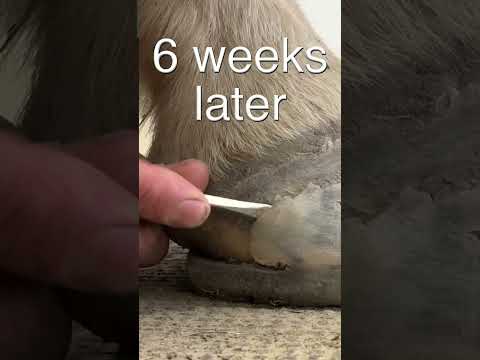
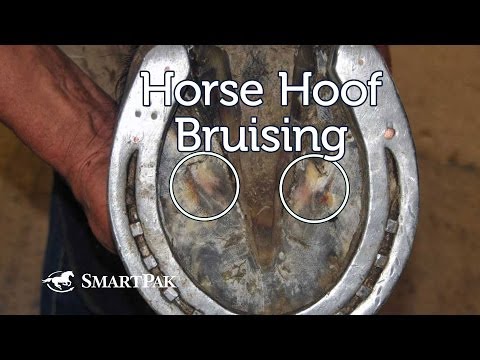
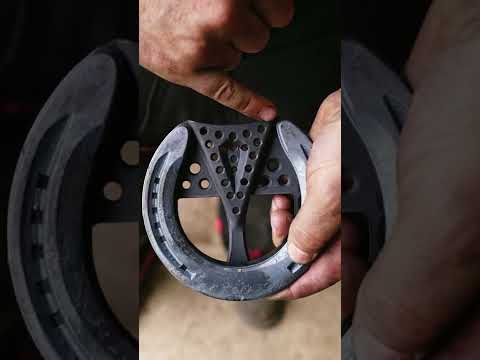
See farriers working with thin-soled and flat-footed horses — pad application, pour-in packing, and the flat-foot correction approach.